Articles

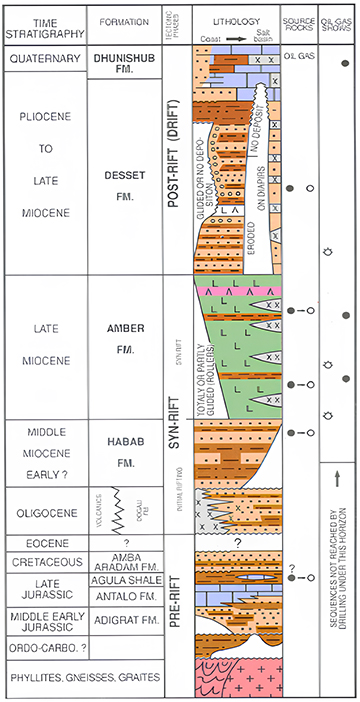
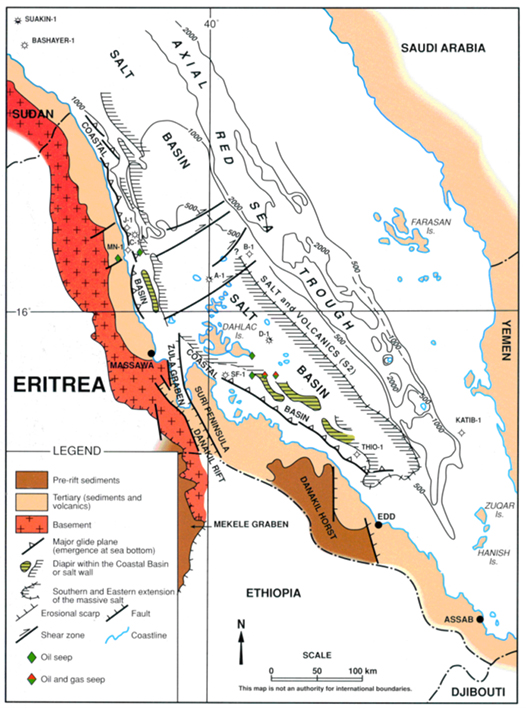
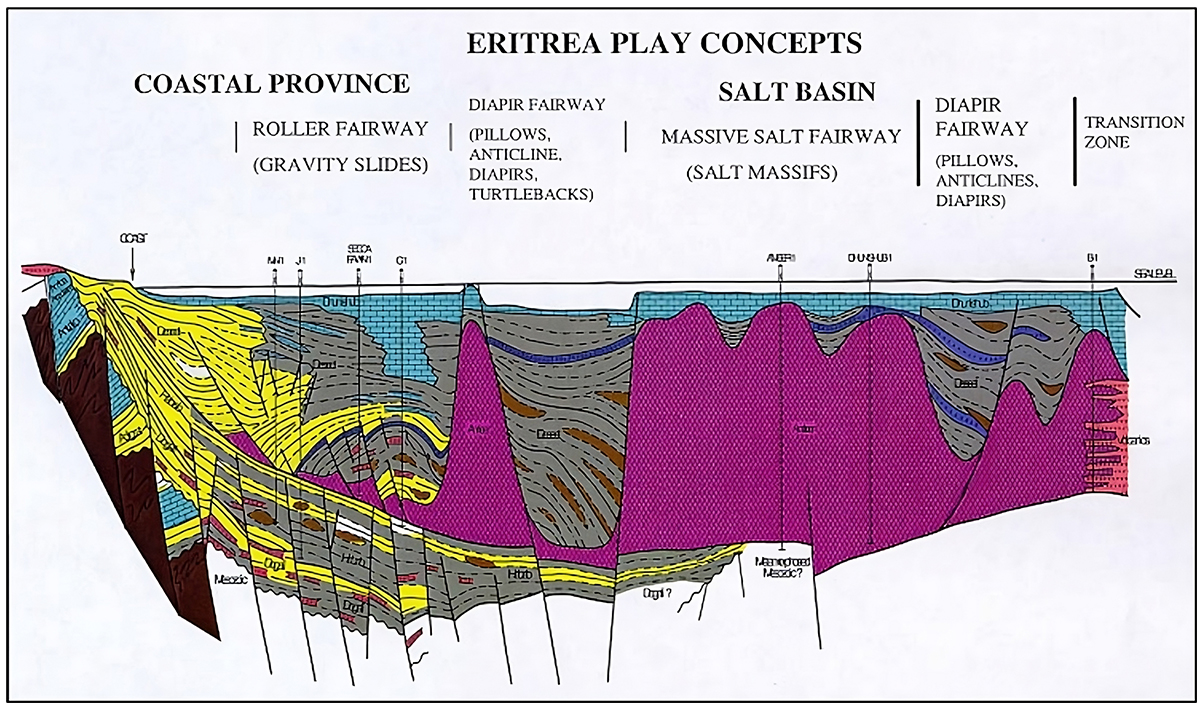
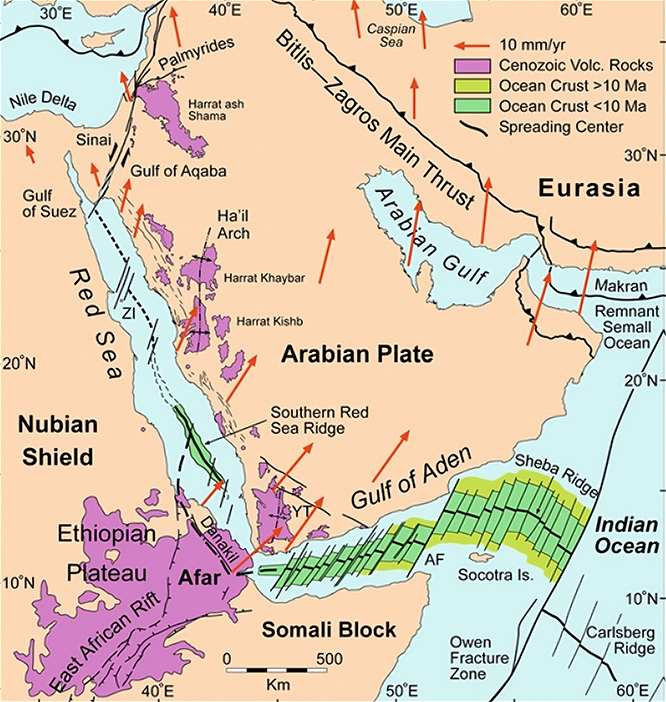
Nakfa Energy has been evaluating the regional geology and petroleum systems of the Red Sea, and in particular Eritrean offshore area, and there exists enough evidence of an effective and active petroleum system in the Western Red Sea based on the formations analyzed.
What makes this moment exceptional is not merely the strength of the geological analogy, it is the asymmetry between what is known and what remains untouched. The Gulf of Suez is no longer a theory; it is a mature petroleum province whose success is documented, measured, and monetized. Eritrea’s offshore Red Sea, by contrast, represents the rarest of opportunities in global energy today: a basin with comparable geological fundamentals that has yet to be meaningfully tested.
The numbers alone demand reflection. Gulf of Suez, a proven basin of 24,000 square kilometers, has yielded approximately 11 billion barrels of oil. Eritrea’s offshore margin spans roughly three times that area. Even under the most conservative assumptions, discounting two-thirds of the acreage, the scale of the opportunity remains comparable to one of Africa’s most prolific hydrocarbon provinces.
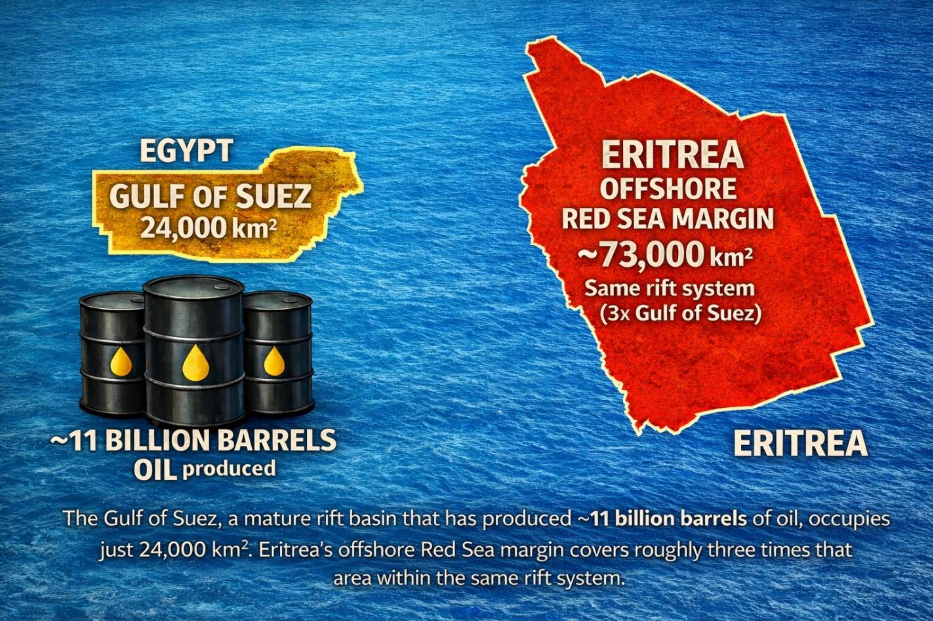
- The structural history of the two areas is similar, and therefore trap geometries should be similar
- The syn-rift stratigraphy of the two areas is similar, resulting in deposition of good quality source, reservoir, and seal rocks
- The burial histories are similar (timing and depths), which means that the source rocks should be mature
- Heat flow may be slightly higher in Eritrea, and therefore the resources might be somewhat gasier, but not overmature
- Both regions have pre-rift stratigraphic units preserved that include additional source and reservoir rock potential
Equally important is what has held the Red Sea back: not adverse geology, but outdated assumptions. Advances in seismic imaging beneath salt, improved understanding of thermal regimes, and renewed appreciation of subsalt reservoirs have systematically dismantled the three myths that long constrained exploration:
- The Red Sea is not beyond imaging,
- It is not universally too hot, and
- It does not lack viable source and reservoir systems.
For further information, please contact: info@nakfaenergy.com